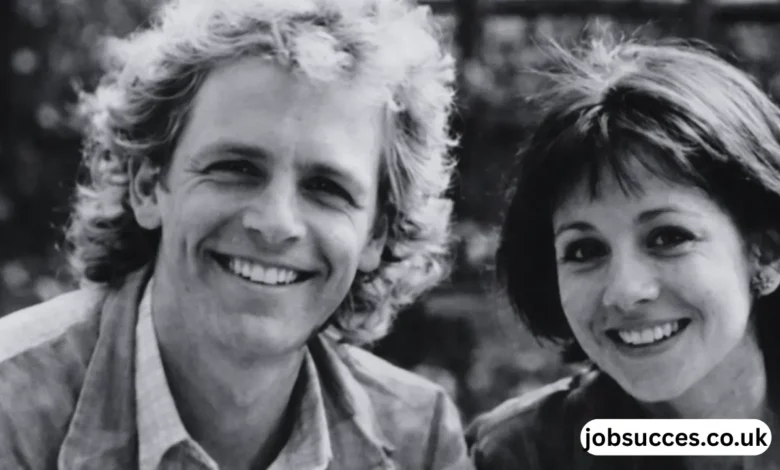
History often remembers the famous face and forgets the people standing just outside the spotlight. That imbalance is obvious when looking at the life of susan beuselinck. Her name rarely appears in headlines, yet her story sits directly beside a period of British entertainment history that shaped television, music, and theatre in the 1960s and 1970s. When people search for susan beuselinck today, they usually expect a short biography connected to a celebrity. What they actually uncover is a personal story that reveals how private lives intersect with public careers.
Unlike many figures linked to entertainment personalities, susan beuselinck never chased publicity. That choice shaped how little of her story exists in public archives today. Still, the fragments that remain tell a narrative about family, ambition, and a life that moved through the edges of fame without trying to belong to it.
Early Life Before the Spotlight
The early years of susan beuselinck remain mostly undocumented, which says a lot about the era she lived in. During the mid-20th century, only public figures were thoroughly documented by newspapers and broadcasters. Ordinary lives, even those connected to rising entertainers, rarely left detailed records.
What can be pieced together suggests that susan beuselinck grew up in Britain during a time when the country was still reshaping itself after World War II. The social atmosphere of the 1950s and early 1960s pushed young people toward new cultural identities. Music, television, and theatre were rapidly expanding industries, especially in London.
Her surname, Beuselinck, hints at possible Belgian heritage. While there is no clear public documentation confirming family migration history, surnames of continental European origin were not uncommon in Britain after the war years. Families moved across borders for work, stability, or new beginnings.
That background matters because it places susan beuselinck within a generation shaped by rebuilding and reinvention. Britain in the 1960s was energetic, restless, and culturally experimental. Anyone living near the growing entertainment scene inevitably brushed against the creative industries reshaping the country.
Marriage to Paul Nicholas During a Rising Career
The public record surrounding susan beuselinck becomes clearer when her life intersects with actor and singer Paul Nicholas. The two married in 1966, at a moment when Nicholas was still establishing his reputation in the entertainment world.
This was not yet the period when his name was widely recognized. Instead, it was the phase when auditions, stage performances, and television opportunities were slowly building a career. Being married to a performer during those early years often meant living with uncertainty. Roles came and went. Financial stability could disappear quickly.
For susan beuselinck, marriage during that stage meant witnessing the early climb of a career that would later attract attention across theatre and television. The British entertainment industry in the 1960s was unpredictable. Actors moved between stage musicals, television roles, and occasional recording projects in hopes of gaining traction.
Life behind the scenes rarely looked glamorous. Rehearsal schedules were exhausting, income could be inconsistent, and public recognition often lagged behind the actual work being done.
Within that environment, susan beuselinck lived through the same pressures that shaped many families connected to entertainment careers. The difference is that most of those stories were never recorded.
Building a Family Away From Public Attention
During their marriage, susan beuselinck and Paul Nicholas welcomed two children: Natasha Beuselinck and Oscar Beuselinck. Parenthood added another layer to a life already influenced by the unpredictable nature of the entertainment industry.
Raising children while a partner pursued acting and music work required stability at home. For families connected to performing careers, the public rarely sees the logistics behind daily life. Travel schedules, rehearsals, and late performances can disrupt routine in ways that ordinary jobs do not.
Accounts describing susan beuselinck consistently emphasize how she remained outside the spotlight. She did not appear in promotional materials, interviews, or entertainment columns. Instead, her focus stayed firmly on family life.
That choice matters because it highlights a pattern often overlooked in celebrity history. Public careers frequently depend on private support systems that never receive recognition.
In the case of susan beuselinck, the available details show a woman who kept her life grounded even as the industry around her celebrated rising performers.
Why the Marriage Ended
By around 1970, the marriage between susan beuselinck and Paul Nicholas had ended. Public discussion about the divorce remained minimal, which again reflects the privacy surrounding her life.
The early years of a performer’s career often strain relationships. Long hours, career uncertainty, and constant professional pressure can reshape personal priorities. When success begins to grow, schedules become even more demanding.
The late 1960s and early 1970s were particularly intense for the entertainment industry in Britain. Television production expanded quickly, stage musicals gained international attention, and recording opportunities multiplied.
Within that environment, personal relationships often struggled to keep pace with professional momentum. The separation between susan beuselinck and Nicholas seems to have followed that pattern.
Still, the divorce did not erase her role in the early chapters of his life. She remained the mother of his two children and an important part of his personal history.
A Tragic End That Quietly Closed the Story
The most painful chapter connected to susan beuselinck arrived later in the 1970s. Reports indicate that she died in a traffic accident around 1977. At the time, she was only in her late thirties.
For someone who had already chosen to stay outside public attention, the tragedy did not trigger widespread media coverage. Newspapers rarely reported deeply on private individuals unless they were public figures themselves.
Yet the loss was deeply personal for those who knew her. A life that had already stepped away from the entertainment spotlight ended suddenly and quietly.
The story of susan beuselinck effectively stopped there in public records. Unlike actors or musicians whose careers leave extensive archives, her life remained preserved mostly in brief references within biographies connected to others.
That absence of documentation sometimes creates the impression that such lives were less significant. In reality, it simply reflects how history records fame while overlooking private influence.
The Quiet Legacy of susan beuselinck
What makes the story of susan beuselinck interesting today is not celebrity or fame. It is the contrast between public narratives and private realities.
Entertainment history tends to focus on performances, awards, and career milestones. Personal lives behind those achievements are usually condensed into a few sentences.
Yet those private lives often shape the environment in which public careers grow. Support systems, family responsibilities, and emotional stability rarely appear in career timelines, but they influence every decision a performer makes.
Susan beuselinck represents that hidden dimension. Her life reminds readers that behind almost every public figure stands a network of personal relationships that rarely receive recognition.
The fact that people still search for susan beuselinck decades later suggests curiosity about those unseen stories. Readers want to understand not only the famous names but also the people whose lives ran parallel to them.
In a way, the limited information about susan beuselinck reinforces the point. She did not build a career around visibility. She lived privately, raised a family, and existed alongside a rising entertainment career without trying to claim the spotlight.
That decision shaped how history remembers her.
Why Her Story Still Matters
Some readers may wonder why the story of susan beuselinck continues to attract attention despite the lack of extensive records. The answer lies in how audiences approach celebrity history today.
People are no longer satisfied with surface-level narratives about fame. They want to understand the personal context surrounding public careers.
The life of susan beuselinck provides a glimpse into that context. Her story highlights the human side of an industry often portrayed as glamorous and dramatic.
Instead of stage lights and headlines, her life involved family, relationships, and the everyday realities that rarely appear in biographies of performers.
That contrast makes the story compelling.
It also serves as a reminder that history does not only belong to the people who appear on screen or stage. It belongs equally to the people who lived beside them.
Conclusion
The story of susan beuselinck is not built around fame, awards, or a long list of public achievements. It is built around proximity to a cultural moment and the personal life that unfolded beside it. Her marriage during the early career of a performer, her dedication to family, and the quiet nature of her life all shaped how her story exists today.
What stands out most is how little noise surrounded her life. No publicity campaigns, no media persona, no attempt to turn private experiences into public attention. Susan beuselinck lived close to the entertainment world but never tried to belong to it.
That alone makes her story worth remembering.
Because sometimes the most revealing parts of history sit just outside the spotlight.
FAQs
1. Who was susan beuselinck married to?
Susan beuselinck was married to British actor and singer Paul Nicholas. Their marriage began in 1966 during the early stage of his career in entertainment.
2. Did susan beuselinck have children?
Yes, susan beuselinck had two children named Natasha Beuselinck and Oscar Beuselinck.
3. When did susan beuselinck and Paul Nicholas divorce?
Their marriage ended around 1970 after several years together.
4. What happened to susan beuselinck later in life?
Susan beuselinck died in a traffic accident in the late 1970s, reportedly around 1977.
5. Why is susan beuselinck still discussed today?
Interest in susan beuselinck comes largely from her connection to the early life of Paul Nicholas and the curiosity surrounding the private lives behind public careers.
You May Also Read: Art Terkeurst Net Worth: Franchise Career, Income and Life