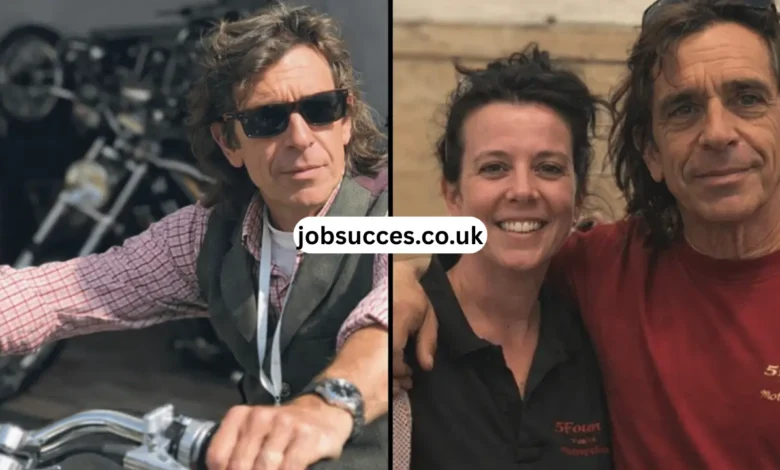
Introduction
guy willison doesn’t build motorcycles for applause. He builds them because he’s wired to take things apart, rethink them, and put them back together with more character than they had before. In a world where custom bikes can feel like polished showroom ornaments, his machines look ridden, tested, and unapologetically mechanical. That difference matters.
Spend five minutes watching guy willison in a workshop and you’ll notice something immediately: he approaches motorcycles like a rider first and a businessman second. That mindset runs through everything he touches, from television projects to limited-edition production runs.
A Builder Before the Cameras
Long before television audiences recognized guy willison, he had already earned respect in British motorcycle circles. He grew up around engineering, tools, and the kind of hands-on curiosity that turns a teenager into a lifelong builder. That foundation shows in his work. His bikes aren’t styling exercises. They’re mechanical statements.
His nickname “Skid” reflects that grounded personality. There’s no corporate polish to it. And that’s the point.
When guy willison eventually appeared on shows such as The Motorbike Show, Shed and Buried, and Find It, Fix It, Flog It alongside Henry Cole, he didn’t suddenly become a builder. He was already one. Television simply amplified what he’d been doing for years—buying, restoring, redesigning, and riding motorcycles with conviction.
That distinction separates him from TV personalities who dabble in mechanics. guy willison is a mechanic who happened to become a TV personality.
The Philosophy Behind 5Four Motorcycles
If you want to understand guy willison properly, you have to look at 5Four Motorcycles Ltd., the company he founded. The name itself carries personal weight, referencing his childhood home. That detail isn’t marketing fluff. It signals ownership and pride.
5Four Motorcycles focuses on limited-edition custom builds that bridge factory reliability and hand-built individuality. Instead of producing one-off showpieces destined for climate-controlled garages, guy willison often works with established manufacturers to reinterpret existing platforms.
His collaborations with Honda UK illustrate that approach. Rather than tearing down bikes for spectacle, he reimagines them with cleaner lines, practical upgrades, and a riding-focused stance. The result? Motorcycles that feel exclusive without being fragile.
This isn’t about chasing trends. guy willison has never tried to mimic the American chopper scene or the ultra-minimalist café racer wave just because it’s popular. His bikes tend to balance British heritage styling with usable performance.
That balance is harder to achieve than people think.
Television Didn’t Change Him — It Expanded His Reach
When guy willison became a regular presence on motorcycle television, he brought authenticity that viewers immediately recognized. On The Motorbike Show, his segments often carried a quiet authority. He didn’t overperform for the camera. He worked.
On Shed and Buried, the dynamic with Henry Cole highlighted something important. Cole might bring the storytelling and negotiation flair, but guy willison brings mechanical judgment. When he says a project is worth saving, it usually is. When he looks skeptical, that skepticism carries weight.
Television also helped introduce guy willison to a broader audience beyond hardcore enthusiasts. Casual viewers discovered that restoration isn’t about polishing chrome; it’s about preserving mechanical history while making a machine viable again.
That exposure has strengthened his brand without diluting it. He still comes across as someone who’d rather be in a workshop than at a press launch.
Signature Builds and Mechanical Character
One of the most talked-about projects associated with guy willison is his interpretation of the Norton Commando 961 Street. That bike represented more than a styling tweak. It demonstrated how a respected classic platform could be sharpened without losing identity.
The Norton-based builds showed how guy willison approaches heritage brands. He doesn’t attempt to overwrite them. He edits them. Subtle stance changes, thoughtful component selection, and attention to proportion define his work.
Proportion is everything in custom motorcycles. Get it wrong and the bike looks awkward. Get it right and the machine feels inevitable—as if it always should have looked that way. guy willison consistently lands on the right side of that line.
His Honda-based customs follow a similar logic. Clean tail sections, restrained color palettes, practical riding geometry. Nothing feels forced. Even the smallest details, like seat height or bar position, reveal that a rider made these decisions.
That’s not accidental.
Business Acumen Without Corporate Noise
Custom motorcycle building is notoriously unstable as a business. Builders gain attention, burn bright, and disappear. guy willison has avoided that pattern by blending craftsmanship with strategic partnerships.
Working with established manufacturers allows him to reach customers who want something distinctive without gambling on a completely unknown brand. At the same time, he retains creative control over design direction.
Estimates place guy willison’s net worth somewhere between £500,000 and £1.5 million. Exact numbers aside, what matters is sustainability. He hasn’t built an empire on hype. He’s built a career on consistency.
And consistency builds trust.
The Culture He Represents
The British custom motorcycle scene has its own flavor. It’s less theatrical than its American counterpart and more rooted in heritage marques like Norton, Triumph, and BSA. guy willison fits squarely within that culture but pushes it forward.
He represents a strain of custom building that respects factory engineering while refusing to be limited by it. That’s a fine line. Too much reverence and you produce restorations that feel museum-bound. Too much rebellion and you erase the brand’s soul.
guy willison rarely makes either mistake.
Events, exhibitions, and live shows often feature him not just as a presenter but as a working builder. He doesn’t posture. He explains why a modification works, what compromises were involved, and how a rider will actually experience the result.
That educational undertone matters for younger builders watching from the sidelines.
Why Riders Trust His Judgment
Plenty of custom builders create visually impressive bikes that ride terribly. Excessive stiffness, awkward ergonomics, impractical tires. The photos look fantastic. The riding experience doesn’t.
guy willison’s reputation suggests something different. Riders who purchase 5Four builds expect performance aligned with appearance. That expectation shapes his design decisions.
He avoids exaggerated geometry changes that compromise stability. He pays attention to suspension setup. He considers how weight distribution shifts when altering bodywork. These aren’t glamorous considerations, but they separate a usable motorcycle from a sculpture.
That technical grounding reinforces why television audiences and customers alike take guy willison seriously.
Public Persona and Private Discipline
Unlike celebrity builders who broadcast every detail of their personal lives, guy willison keeps his private world largely out of public view. That restraint strengthens his credibility. The focus stays on the bikes.
His social media presence highlights workshop progress, events, and finished builds rather than lifestyle theatrics. It feels intentional. The message is clear: the work comes first.
In an era obsessed with personal branding, that approach feels almost rebellious.
The Real Impact of guy willison
It’s tempting to measure influence through follower counts or headline projects. That misses the deeper impact.
guy willison has helped normalize the idea that custom motorcycles can be both distinctive and dependable. He’s shown that collaboration between independent builders and major manufacturers doesn’t have to dilute creativity. He’s proven that television exposure doesn’t require theatrical exaggeration.
Most importantly, he’s maintained mechanical integrity in an industry that often rewards flash.
You can see his influence in the growing number of builders who prioritize ride quality alongside aesthetics. That shift didn’t happen in isolation.
Where His Work Stands in Today’s Market
The custom motorcycle market has matured. Buyers are more informed. They expect performance data, not just paintwork. They compare suspension components, braking setups, and geometry numbers before signing contracts.
guy willison’s approach aligns with that evolution. His builds aren’t nostalgia traps. They’re modern interpretations grounded in engineering awareness.
That positions him well for the future. As electric motorcycles enter custom culture and emissions regulations tighten, builders will need technical fluency as much as design sense. Given his background, guy willison seems equipped for that transition.
He’s not chasing attention. He’s building credibility.
And credibility lasts longer.
Conclusion
guy willison stands out because he refuses to separate style from substance. He doesn’t treat motorcycles as fashion accessories or television props. He treats them as machines that deserve respect, precision, and purpose. That philosophy runs through his workshop, his company, and his on-screen presence.
If the custom motorcycle world wants to remain relevant instead of becoming a nostalgia sideshow, it needs more builders who think the way guy willison does: ride first, design second, hype never.
That’s the standard.
FAQs
1. What makes guy willison’s custom motorcycles different from typical show builds?
His bikes are designed to be ridden hard, not just displayed. He pays close attention to geometry, suspension, and ergonomics, which ensures they perform as well as they look.
2. Has guy willison only worked with British motorcycle brands?
No. While he has strong ties to British heritage marques like Norton, he has also collaborated with Honda UK on custom projects that reinterpret modern platforms.
3. Does guy willison still actively build motorcycles or mainly focus on television?
He remains actively involved in building through 5Four Motorcycles while continuing his television appearances. The workshop work has never stopped.
4. Are 5Four Motorcycles builds one-off customs or limited production runs?
They are typically limited-edition runs based on established models, allowing customers to access custom styling with factory-level reliability.
5. Is guy willison considered more of a designer or a mechanic?
He’s fundamentally a mechanic who designs. His technical background drives his creative decisions, which is why his motorcycles maintain strong real-world performance.
You May Also Read: Eileen Catterson: The Scottish Model Who Chose Privacy Over Fame