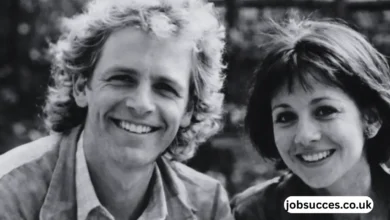
There’s a difference between producing shows and shaping an industry. adam speers sits firmly in the second category. His name doesn’t carry the same mainstream recognition as actors or directors, but if you look at what’s actually getting staged, revived, and awarded, his influence is hard to ignore. He isn’t chasing safe nostalgia. He’s choosing what deserves to return—and more importantly, how it should return.
The kind of producer Broadway actually listens to
Theatre producers often fall into two camps: financiers who stay invisible and creative partners who push projects forward. adam speers operates as both, which is rare. His work with Ambassador Theatre Group places him in a position where decisions aren’t just about funding—they’re about taste, timing, and long-term cultural value.
What makes adam speers stand out is restraint. He isn’t attached to endless productions each year. Instead, his portfolio feels curated. When his name appears on a revival, it signals intention.
That’s why industry insiders pay attention before audiences do.
Why his revivals don’t feel like nostalgia
Reviving a classic is easy. Making it feel necessary again is not. adam speers has built his reputation on choosing projects that don’t just revisit the past but reframe it.
Take Cabaret. The show has existed in multiple versions over decades, yet recent productions tied to adam speers pushed the experience into something more immersive and unsettling. It wasn’t about recreating what worked before. It was about making audiences uncomfortable in the right way.
The same applies to Sunset Boulevard. Instead of leaning on spectacle alone, the revival stripped things back and leaned into psychological intensity. That decision doesn’t happen by accident. It reflects a producer willing to back a vision that risks dividing audiences.
adam speers doesn’t treat revivals as museum pieces. He treats them as living material.
A producer who understands timing better than hype
Broadway runs on cycles—what audiences want shifts fast, and producers who misread that rhythm lose money. adam speers has shown a sharp instinct for timing, especially with projects that land just as audience appetite changes.
The renewed interest in darker, stripped-down productions didn’t appear overnight. Yet adam speers aligned himself with exactly that tone before it became widespread. By the time audiences started craving more intimate and intense theatre experiences, his productions were already in motion.
That’s not luck. That’s positioning.
The Tony Award win wasn’t the real story
Winning a Tony Award matters, but it rarely tells the full story. When adam speers picked up recognition for Sunset Boulevard, the award confirmed what industry insiders already knew.
The more interesting point is how he got there.
Instead of chasing commercially obvious choices, adam speers backed a revival that could have easily failed if mishandled. The stripped aesthetic, the tonal risks, and the reliance on performance over spectacle all required confidence—not just from directors and actors, but from the producer funding it.
The Tony didn’t elevate adam speers. It validated decisions he was already making.
Collaboration isn’t a buzzword in his work
Some producers attach themselves to big names and step back. adam speers doesn’t operate that way. His collaborations with figures like Andrew Lloyd Webber and Jamie Lloyd suggest something more involved.
Working with Jamie Lloyd in particular signals a clear creative alignment. Lloyd’s style leans toward minimalism and psychological tension—traits that show up repeatedly in projects tied to adam speers.
This isn’t coincidence. It’s a shared vision.
When a producer consistently works with the same kind of creative voices, it reveals taste. And taste, more than budget, is what shapes theatre over time.
The quiet power of selection
A producer’s biggest influence isn’t how a show runs—it’s which shows get made at all. adam speers has demonstrated a willingness to say no, which might be his most valuable skill.
Broadway is filled with projects that exist because they can, not because they should. adam speers avoids that trap. His involvement signals a filtering process that prioritizes impact over volume.
This is why his portfolio doesn’t feel bloated. Each project carries weight.
And in an industry where oversaturation is a constant problem, that restraint becomes power.
Why his work matters beyond Broadway
It’s easy to view adam speers as a Broadway-focused figure, but his influence stretches across both sides of the Atlantic. Through his role at Ambassador Theatre Group, he operates within a system that connects London’s West End and New York’s Broadway.
That connection matters.
Trends don’t stay confined to one market anymore. A successful approach in London often migrates to New York, and vice versa. adam speers sits in a position where he can guide that movement, choosing which productions cross over and how they evolve in the process.
He isn’t just producing shows. He’s shaping the pipeline between two of the world’s most influential theatre hubs.
The difference between visibility and influence
Unlike actors or directors, producers rarely become public figures. adam speers fits that pattern—his name isn’t widely recognized outside theatre circles. But that lack of visibility actually highlights his influence.
He doesn’t need a public persona.
His decisions show up on stage instead.
When audiences respond to a revival that feels unexpectedly fresh or emotionally sharp, they’re reacting to choices made long before rehearsals began. Those choices often trace back to adam speers.
Risk without recklessness
Backing theatre always involves risk, but there’s a difference between calculated risk and blind ambition. adam speers consistently lands on the calculated side.
His projects tend to share a few traits:
- Strong directorial vision
- Willingness to strip away excess
- Focus on performance-driven storytelling
These choices reduce certain types of risk while increasing others. For example, cutting spectacle lowers production costs but raises the stakes on acting and direction.
adam speers appears comfortable with that trade-off.
It’s a sign of someone who understands where the real value of theatre lies.
The long-term impact he’s building
Theatre evolves slowly, but certain producers accelerate that evolution. adam speers is part of a shift away from overly polished, commercially safe productions toward something more immediate and emotionally raw.
If this direction continues, his influence will become more obvious in hindsight.
Future producers will follow similar patterns—leaner staging, stronger directorial voices, and a focus on reinterpretation rather than replication. When that happens, adam speers won’t just be part of the trend. He’ll be one of the reasons it took hold.
The takeaway
adam speers isn’t trying to dominate headlines, and that’s exactly why his work matters. He’s focused on decisions that shape what audiences experience without needing to be the face of it.
That approach creates something rare in modern theatre: consistency without predictability.
If you’re paying attention to where Broadway is heading—not where it’s been—his name keeps appearing for a reason.
FAQs
1. What makes adam speers different from other Broadway producers?
He focuses heavily on creative direction and project selection rather than volume. His productions tend to feel intentional rather than commercially safe.
2. Is adam speers only active on Broadway?
No, his work connects Broadway and the West End through his role with Ambassador Theatre Group, giving him influence across both major theatre markets.
3. Why are his revivals getting so much attention?
They don’t rely on nostalgia alone. Instead, they reinterpret classic material in ways that feel relevant and sometimes uncomfortable.
4. Does adam speers work closely with directors?
Yes, especially with directors like Jamie Lloyd. His collaborations suggest he values strong creative partnerships rather than hands-off production.
5. Are his productions considered risky?
They can be, but the risks are calculated. He often reduces reliance on spectacle and leans into performance and direction, which changes the type of risk involved.
You May Also Read: Drew Pritchard New Wife: Truth, Rumors and Latest Update