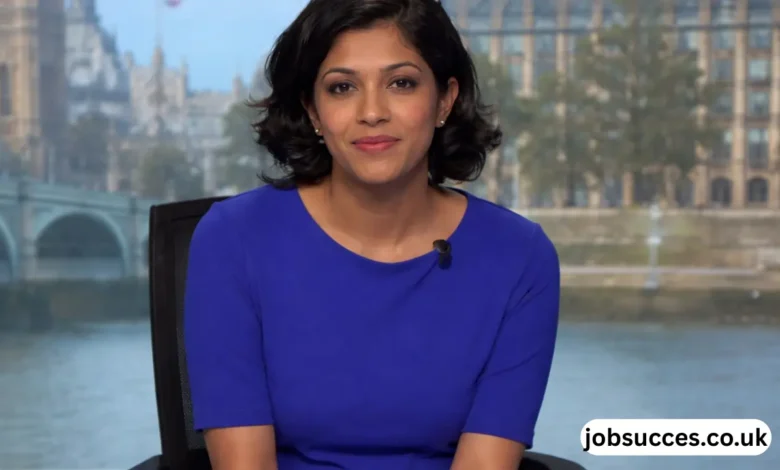
Political reporting can easily slide into theatrics. Cameras chase drama, pundits shout over each other, and the real policy conversation disappears. leila nathoo works in the opposite direction. Her reporting is direct, calm, and focused on substance. When viewers see leila nathoo on BBC coverage from Westminster, the tone usually shifts from spectacle to explanation. That difference matters in modern political journalism.
The job of a political correspondent is simple on paper: report what is happening in government. In practice, it requires judgment, context, and the ability to translate policy into clear language. leila nathoo has built a reputation by doing exactly that. Instead of turning politics into a shouting match, she focuses on the decisions that actually shape policy and public debate.
A Career Built Inside the BBC Newsroom
The professional path of leila nathoo did not begin with the visibility she now has as a BBC political correspondent. Her career grew gradually through newsroom work and reporting assignments that demanded persistence.
leila nathoo joined BBC journalism through the trainee system in Manchester. That environment is known for testing young reporters across multiple roles, from field reporting to editorial work. It is not glamorous, but it produces journalists who understand the mechanics of news production.
Working inside the BBC structure allowed leila nathoo to move through the ranks while learning how the organization handles national and political coverage. By the time she reached Westminster reporting, she already understood how stories develop inside the newsroom and how editorial decisions shape public understanding.
That preparation shows in her work today. Political stories often move quickly, especially when governments face crises or internal conflict. leila nathoo reports those developments without sounding rushed or speculative, a rare trait in broadcast journalism.
Education That Aligned With the Job
Journalists sometimes arrive at political reporting from unrelated backgrounds. leila nathoo took a more direct academic route.
She studied Politics and Modern History at the University of Manchester. That combination of disciplines matters more than it might appear at first glance. Political journalism requires understanding how institutions work, but it also requires historical awareness. Policies rarely emerge in isolation.
The academic training helped shape how leila nathoo approaches stories. Instead of presenting political disputes as isolated moments, her reporting often situates them inside longer political patterns.
This perspective becomes especially valuable during debates over legislation or policy reform. When leila nathoo reports on parliamentary arguments, the coverage rarely stops at surface-level commentary.
Instead, it explains what the issue means for government strategy and public policy.
Reporting From Westminster: The Real Test
Covering Westminster is a proving ground for political journalists. The environment moves fast and includes constant briefings, policy announcements, and internal party disputes.
leila nathoo reports directly from that environment for BBC News.
This role involves tracking parliamentary debates, analyzing government decisions, and explaining policy developments to a national audience. It also requires maintaining professional distance from political actors who constantly attempt to shape media narratives.
The reason viewers recognize leila nathoo during BBC political coverage is simple: she frequently appears when policy decisions reach the public stage.
Election cycles, legislative debates, and government announcements often bring leila nathoo to the screen, where she explains what happened and why it matters.
Political correspondents must balance speed with accuracy. A rushed report can misrepresent a policy decision or exaggerate political conflict. leila nathoo tends to favor clarity over drama, which is why her reports often stand out during heated political moments.
Coverage That Focuses on Policy, Not Personality
Political media often drifts toward personality coverage. Political rivalries and leadership speculation dominate headlines because they generate attention.
leila nathoo tends to focus on policy consequences instead.
For example, discussions about immigration policy or legislation affecting public safety are treated in her reporting as governance issues rather than political theater. That editorial choice keeps the audience focused on outcomes rather than political gossip.
This approach is visible in the range of topics leila nathoo has reported on, including debates about asylum policy, social media regulations for younger users, and strategies addressing violence against women.
Each topic carries policy implications that extend beyond daily news cycles.
The reporting style of leila nathoo reflects a core principle of political journalism: the job is to clarify decisions made by those in power, not to amplify political drama.
On-Screen Presence During Major BBC Coverage
Television audiences often encounter leila nathoo during major BBC political broadcasts. Election nights, parliamentary developments, and government policy announcements frequently involve on-air reporting from Westminster.
Unlike commentators, political correspondents deliver factual updates while providing context. That distinction matters.
When leila nathoo appears on BBC news programs, her segments usually include explanations of legislative proposals or government positions rather than speculative analysis.
That discipline is part of why BBC political coverage maintains credibility with viewers who want information rather than partisan commentary.
The broadcast role also demands communication skill. Complex policy issues must be explained clearly within limited airtime.
leila nathoo handles that challenge by focusing on the essentials: what happened, why it matters, and what could happen next.
The Professional Discipline Behind Political Journalism
Political reporting is often misunderstood. Outsiders imagine journalists wandering the halls of government buildings collecting gossip.
The reality is more demanding.
A political correspondent must track legislation, attend parliamentary sessions, follow committee discussions, analyze policy proposals, and maintain communication with sources across political parties.
leila nathoo operates inside that environment daily.
The job also requires editorial restraint. Not every political dispute deserves equal coverage. Some stories matter because they shape policy outcomes; others simply generate noise.
Good correspondents recognize the difference.
leila nathoo has developed a reputation for identifying stories that carry real consequences rather than chasing attention-grabbing distractions.
Social Media and Public Visibility
Modern political journalists are expected to maintain an online presence. Social media platforms have become distribution channels for breaking news and political commentary.
leila nathoo uses social platforms primarily as a professional extension of her reporting.
Updates from Westminster, links to BBC reports, and coverage highlights appear on her account. The tone remains professional rather than performative.
That distinction is important.
Some journalists treat social media as a stage for personal branding. leila nathoo keeps the focus on journalism itself.
For readers and viewers who want information rather than opinion, that approach is refreshing.
Why Her Reporting Style Matters in Modern Media
Political journalism faces a credibility problem in many parts of the world. Sensationalism and partisan commentary have blurred the line between reporting and opinion.
In that environment, journalists who prioritize clarity stand out.
leila nathoo represents a reporting style that emphasizes accuracy, context, and restraint. Instead of exaggerating political conflict, her work focuses on explaining how government decisions affect policy.
That might not generate viral headlines, but it serves the purpose of journalism.
Audiences benefit from coverage that prioritizes substance over spectacle.
The work of leila nathoo fits that model. Her reporting reminds viewers that political journalism can still focus on information rather than noise.
The Demands of Covering UK Politics
UK politics moves through rapid cycles of leadership challenges, legislative proposals, and policy reforms. Westminster journalists must track developments that shift hourly.
leila nathoo navigates this landscape through consistent reporting rather than dramatic commentary.
Government announcements about immigration, technology regulation, or social policy often require immediate explanation for national audiences.
Political correspondents translate these developments into clear narratives. leila nathoo performs that role while maintaining professional neutrality.
This balance—informative but not sensational—is harder to achieve than many viewers realize.
The Future of Political Reporting
The next decade will test political journalism. Trust in media institutions fluctuates, and digital platforms continue to reshape how audiences consume news.
Reporters who maintain credibility will likely succeed.
leila nathoo belongs to a generation of journalists working inside established news organizations while adapting to a changing media environment. Her reporting style suggests that traditional newsroom discipline still has value.
Audiences still want accurate information about how governments operate.
That demand will not disappear.
Final Takeaway
Political reporting only works when journalists remember their role: explain power, track decisions, and hold institutions accountable. leila nathoo represents that discipline inside modern broadcast journalism. She does not chase political theater or social media attention. Instead, she reports what governments do and why it matters. In an era where noise often dominates political coverage, that restraint is exactly what serious journalism needs.
FAQs
1. What role does leila nathoo hold at BBC News?
leila nathoo works as a political correspondent reporting on UK government activity from Westminster, covering parliamentary debates, policy announcements, and political developments.
2. Where did leila nathoo study before becoming a journalist?
leila nathoo studied Politics and Modern History at the University of Manchester, a background closely aligned with political reporting.
3. Does leila nathoo appear regularly on BBC television broadcasts?
Yes. leila nathoo frequently appears during BBC political coverage, including election reporting and major government announcements.
4. What kind of political issues does leila nathoo report on?
Her reporting has covered immigration policy debates, social media regulation discussions, and legislative issues debated in the UK Parliament.
5. How did leila nathoo start her journalism career?
leila nathoo began through BBC’s trainee journalism program in Manchester, gaining newsroom experience before moving into political reporting roles.
You May Also Read: Harvey Kirby Ross: Private Life of Jonathan Ross’s Son