Let’s get this straight from the start: the conversation around elizabeth rizzini disability exists largely because people jump to conclusions. And once the internet latches onto a phrase, it doesn’t let go easily. The reality is far less dramatic than the speculation, but far more revealing about how public perception works.
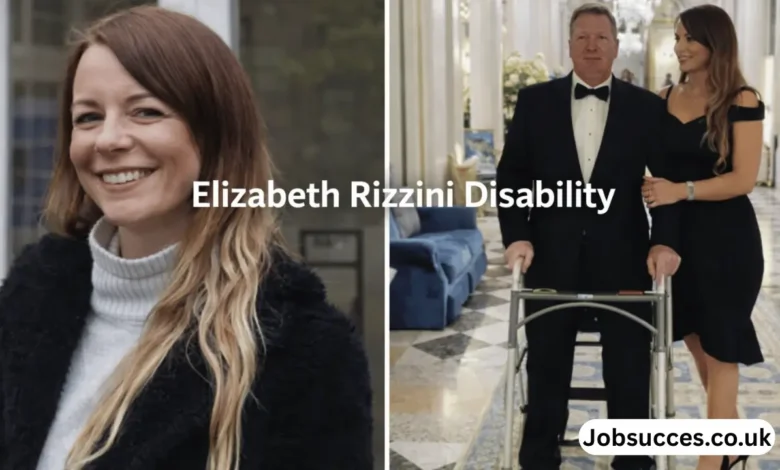
Elizabeth Rizzini is a respected BBC weather presenter. She has built her career on meteorology, journalism, and broadcast credibility—not controversy. Yet searches for elizabeth rizzini disability continue to circulate, driven by confusion tied to her personal life rather than any confirmed condition of her own.
That distinction matters.
The Professional Identity That Gets Overlooked
Before addressing why elizabeth rizzini disability became such a persistent topic, it’s worth looking at who she actually is.
Elizabeth Rizzini works as a weather presenter for BBC London. She trained with the UK Met Office and developed her expertise through formal meteorological education. This isn’t someone who drifted into television through fame or social media. She understands atmospheric science, forecasting systems, and on-air communication.
Her delivery style is calm and precise. Viewers in London recognize her from regional broadcasts, often during high-impact weather events when clarity matters most. That credibility doesn’t come from personal drama—it comes from preparation.
Yet professional accomplishments rarely trend. Personal speculation does.
And that’s where elizabeth rizzini disability enters the picture.
The Frank Gardner Connection
The reason elizabeth rizzini disability became a search pattern is closely tied to her relationship with BBC security correspondent Frank Gardner.
Gardner was shot while reporting in Saudi Arabia in 2004 and has been paralyzed from the waist down ever since. He uses a wheelchair and has spoken openly about living with a spinal cord injury. His recovery and continued journalism career have been documented in interviews and television programs, including the BBC documentary Being Frank: The Frank Gardner Story.
Elizabeth Rizzini and Frank Gardner later became partners. Public appearances, media coverage, and documentary features showed them together.
From there, assumptions followed.
Viewers saw a couple navigating life with visible disability in the relationship. Search engines did what they do—pair names and topics based on association. Over time, elizabeth rizzini disability started appearing as if it were a confirmed personal fact rather than a misunderstanding.
There has been no verified report or public statement suggesting that Elizabeth Rizzini has a disability.
The speculation is association-driven. Nothing more.
How Search Behavior Fuels Confusion
The persistence of elizabeth rizzini disability says more about digital habits than about Rizzini herself.
Search engines operate on patterns. When people repeatedly type a name alongside a topic, the pairing gains traction. It doesn’t matter whether the assumption is correct. Volume drives visibility.
That’s how elizabeth rizzini disability turned into a recurring query.
It only takes a few speculative blog posts or poorly researched articles to cement a narrative. Once published, those posts get scraped, rewritten, and republished elsewhere. The cycle reinforces itself.
This isn’t unique to Rizzini. Public figures connected to high-profile events often find their names attached to unrelated claims.
But in this case, the topic lingers because it touches on disability—a subject that already carries emotional weight and public curiosity.
Public Relationships and Projection
When a public figure is in a relationship with someone who has a visible disability, people project.
They project strength.
They project struggle.
They project shared experience.
And sometimes they project shared medical conditions.
The assumption behind elizabeth rizzini disability often seems rooted in the idea that proximity equals similarity. If her partner uses a wheelchair, perhaps she must also have a condition. That logic is flawed, but it spreads quickly.
It’s also revealing.
Society still struggles to separate disability from identity in nuanced ways. Instead of recognizing Gardner’s story as his own, the narrative bleeds outward to those around him.
Elizabeth Rizzini becomes part of that projection simply by association.
Media Coverage and Selective Framing
Another factor influencing elizabeth rizzini disability speculation is documentary storytelling.
When Being Frank aired, it showed Gardner’s life beyond journalism. That included glimpses of his relationship. Viewers saw vulnerability, resilience, and partnership.
In emotionally driven programming, audiences often blur lines between subject and supporting presence. The storytelling focuses on adversity, adaptation, and life changes.
Rizzini appeared as a partner navigating those realities alongside Gardner. That proximity in a disability-centered documentary may have contributed to confusion.
But appearing in a story about disability does not imply personal medical circumstances.
The distinction should be obvious, yet online chatter suggests otherwise.
The Responsibility of Bloggers and Digital Writers
Writers covering elizabeth rizzini disability face a choice.
Repeat speculation for clicks, or clarify the truth.
It’s easy to chase search volume. It’s harder to push back against rumor-driven traffic. But responsible content requires making the distinction clear: Elizabeth Rizzini has not publicly disclosed any disability.
Turning elizabeth rizzini disability into a sensational headline without context feeds misinformation. That approach might attract page views, but it erodes credibility.
Readers deserve accuracy.
More importantly, disability itself deserves better than being used as clickbait.
Why the Topic Keeps Resurfacing
Search interest in elizabeth rizzini disability doesn’t fade because the pairing remains indexed across blogs and entertainment sites. Once a phrase gains traction, algorithms keep suggesting it.
Curiosity compounds curiosity.
Someone sees the phrase and wonders whether they missed something. They search again. That repetition sustains visibility.
But repetition doesn’t equal confirmation.
It’s also worth acknowledging that people are naturally interested in the personal lives of public figures. Rizzini’s career at the BBC, combined with her relationship with a well-known correspondent who survived a shooting, makes her a figure of interest.
Add disability into that mix, and the intrigue increases.
The result is an ongoing loop of assumption and inquiry.
Disability Representation and Public Perception
There’s a larger conversation here.
Disability representation in media still leans heavily on narrative framing—either inspirational resilience or tragic hardship. Gardner’s story falls into the resilience category, and rightly so. He returned to journalism despite life-changing injury.
When audiences encounter that narrative, they look for supporting characters. They evaluate relationships through the lens of hardship.
In that context, elizabeth rizzini disability becomes a projection rather than a fact.
It highlights how audiences often struggle to separate individual medical realities from shared life experiences.
Supporting a partner with a disability doesn’t imply having one. Living alongside disability doesn’t create it.
Yet digital culture collapses nuance.
Professional Focus Versus Personal Speculation
While elizabeth rizzini disability continues to circulate online, her professional output remains steady.
She delivers forecasts.
She reports on regional weather impacts.
She maintains a visible, credible presence on BBC broadcasts.
Her identity in media is built on expertise, not personal narrative.
That’s worth emphasizing because speculation often overshadows substance. In Rizzini’s case, her qualifications, training, and experience matter far more than search-driven rumors.
When audiences focus on elizabeth rizzini disability instead of her meteorological work, they shift attention away from the career she actually built.
That imbalance says something about modern media consumption.
The Human Side of Public Assumptions
It’s easy to forget that public figures read headlines too.
Seeing your name repeatedly tied to a medical condition you haven’t disclosed—or don’t have—can be frustrating. It turns identity into a guessing game.
Elizabeth Rizzini has kept her personal medical information private, as is her right. There’s no public record confirming any disability.
The persistence of elizabeth rizzini disability as a search topic shows how quickly narrative momentum can override verification.
And once it starts, it rarely self-corrects.
A Clear Takeaway
Here’s the bottom line: elizabeth rizzini disability is a phrase born from association, not evidence.
Elizabeth Rizzini is a BBC weather presenter with professional meteorological training. Her partner, Frank Gardner, lives with paralysis following a shooting. Those are separate facts.
Blurring them together might drive curiosity, but it doesn’t serve truth.
If anything, this situation is a reminder that digital narratives need scrutiny. Search volume isn’t proof. Association isn’t diagnosis. And public figures deserve accuracy.
The real story isn’t about a hidden condition. It’s about how easily the internet builds one.
FAQs
1. Does Elizabeth Rizzini have a confirmed disability?
There is no verified public statement or credible report indicating that she has a disability.
2. Why do people search for elizabeth rizzini disability?
The search pattern appears linked to her relationship with Frank Gardner, who uses a wheelchair after a spinal injury.
3. Has Elizabeth Rizzini addressed the rumors publicly?
She has not made public comments confirming any disability of her own.
4. What is Elizabeth Rizzini known for professionally?
She is known as a BBC weather presenter trained in meteorology, delivering forecasts for BBC London and related broadcasts.
5. Was she featured in a documentary about disability?
She appeared alongside Frank Gardner in a BBC documentary focused on his life and recovery, which likely contributed to public confusion.
You May Also Read: Chris Rodstrom: The Private Force Behind Pat Riley’s Enduring Legacy