Introduction
There’s something quietly impressive about a woman who brushes against fame and then refuses to let it define her. eileen catterson did exactly that. While others chased headlines and endless exposure, she built a modeling career, lived through the high-gloss chaos of late-80s fashion culture, and then stepped back without theatrics. That restraint is part of what makes her story worth telling.
For anyone interested in Scottish fashion history, 1980s beauty culture, or long-term celebrity relationships that didn’t implode under pressure, eileen catterson stands as a fascinating figure.
From Erskine to the Miss Scotland Crown
Long before she appeared in modeling shoots and public events, eileen catterson was a teenager growing up in Erskine, Renfrewshire. She attended Park Mains High School and, by most accounts, lived an ordinary Scottish adolescence. No manufactured backstory. No industry grooming from childhood.
Then came 1987.
Winning Miss Scotland at just 17 years old changed everything. Beauty pageants in the late 1980s carried a different cultural weight than they do today. They were legitimate launchpads into modeling, television work, and brand endorsements. When eileen catterson took the title, she wasn’t simply wearing a sash — she was entering a professional pathway.
That win didn’t guarantee a lifelong spotlight. It guaranteed opportunity. What she did next mattered more.
Building a Modeling Career in the Late 80s and 90s
The fashion industry that greeted eileen catterson was bold, image-driven, and unforgiving. This was the era of high-glamour editorials, statement makeup, and photographers who shaped public perception through film rather than filters.
After her Miss Scotland win, eileen catterson moved into professional modeling. She worked on campaigns, fashion shoots, and promotional assignments that defined the aesthetic of the period. While she didn’t become a global supermodel on the scale of Naomi Campbell or Cindy Crawford, that was never the measure of success in her lane.
Her career reflected steady, credible work — the kind that keeps a model employed and respected rather than overexposed.
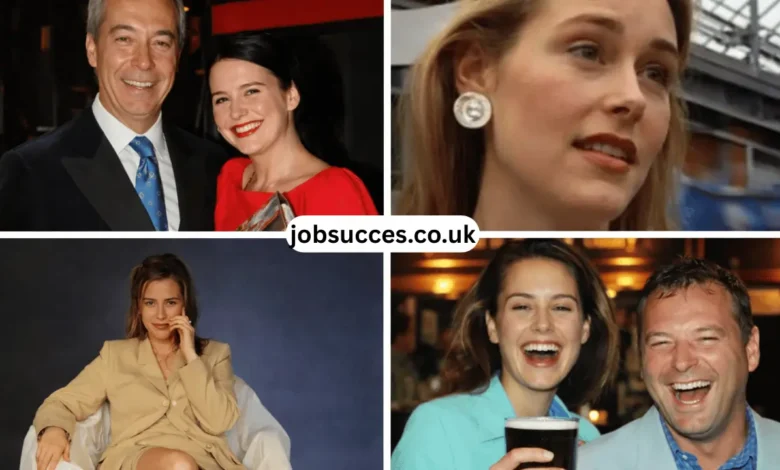
Photos from the 1990s show a classic look: strong bone structure, confident posture, camera awareness. She fit the polished editorial style of the time. And unlike the hyper-commercial influencer culture of today, modeling then required adaptability without instant digital validation.
eileen catterson worked in a pre-Instagram industry. That distinction matters. Her reputation was built through agencies, print media, and in-person bookings, not follower counts.
The Relationship That Drew Public Attention
For a large segment of the public, eileen catterson became known not only for modeling but for her long-term relationship with Marti Pellow, lead singer of the band Wet Wet Wet.
Their relationship stands out for one simple reason: longevity.
Celebrity couples from the 80s and 90s often became tabloid fixtures. Breakups were public spectacles. Personal struggles turned into headlines. Yet eileen catterson and Marti Pellow maintained a relationship that endured for decades without constant media drama.
That kind of stability doesn’t happen by accident.
While Pellow experienced the pressures of music industry fame — touring, addiction struggles, recovery, reinvention — eileen catterson remained largely outside the spectacle. She didn’t monetize the relationship. She didn’t build a brand around proximity to a musician.
Instead, she kept her life controlled and largely private.
In a culture that rewards exposure, that choice speaks volumes.
Why Her Privacy Is Part of the Story
One of the most defining aspects of eileen catterson is what she didn’t do.
She didn’t chase reality television.
She didn’t turn into a lifestyle influencer.
She didn’t release memoir-style interviews detailing personal drama.
When public figures withdraw from attention, people often assume disappearance equals irrelevance. That’s lazy thinking.
In reality, eileen catterson represents a specific type of public woman from the late 20th century — one who understood fame but didn’t mistake it for identity. The modeling industry gave her visibility. It did not take ownership of her life.
There’s discipline in that boundary.
It also reflects generational differences. Models of her era weren’t trained to document breakfast, relationships, and gym routines for engagement metrics. Their job was to show up, perform professionally, and leave.
Scottish Representation in Fashion
Scotland has produced influential figures in music, film, and sport, but its modeling exports often receive less historical attention. In that context, eileen catterson’s Miss Scotland win and modeling career deserve recognition.
Winning a national pageant in the 1980s meant representing Scottish beauty standards on broader platforms. It also meant navigating expectations — grace, composure, public speaking, presentation — at a young age.
For aspiring Scottish models at the time, eileen catterson embodied possibility. She demonstrated that international-level modeling work could begin in local communities like Erskine.
Her trajectory also highlights how regional beauty pageants once functioned as serious professional gateways rather than novelty competitions.
The Difference Between Fame and Presence
It’s tempting to measure impact purely by media saturation. By that metric, eileen catterson would appear understated.
But presence isn’t the same as noise.
Within Scottish cultural memory, her name still surfaces in conversations about Miss Scotland history and 1990s modeling. She remains associated with a specific visual era — polished, editorial, composed.
That kind of lasting recognition without constant reinvention is rare.
Most public figures either escalate fame or vanish completely. eileen catterson occupies a middle ground: known, remembered, yet not self-promoted.
Life Beyond the Camera
There are limited public records detailing the later professional life of eileen catterson, and that absence itself tells a story. She appears to have stepped back from visible modeling work as the fashion industry evolved into digital dominance.
The 2000s transformed the profession. Social media blurred the line between model and personality. Branding became as critical as bone structure. For someone who built her career before that shift, remaining private may have been intentional rather than circumstantial.
Not everyone wants reinvention. Not everyone needs constant visibility to validate their past work.
eileen catterson seems to have made peace with that.
Cultural Context: Modeling Then vs. Now
To understand eileen catterson properly, you have to understand timing.
Late 80s and early 90s modeling revolved around:
- Agency representation
- Print editorials
- Television appearances
- Pageant credentials
- Physical portfolio books
There were no personal brand managers for most working models. No daily engagement strategy. Reputation traveled through industry channels, not algorithms.
Today, a Miss Scotland winner might build a YouTube channel within months. Back then, professional distance was standard.
That difference explains why information about eileen catterson isn’t exhaustively documented online. The internet didn’t archive her early career in real time.
Her story lives more in memory, print archives, and cultural association than in searchable content feeds.
The Enduring Interest in eileen catterson
Search interest in eileen catterson continues largely because of two anchors: her Miss Scotland legacy and her relationship with Marti Pellow.
But reducing her identity to either would miss the larger picture.
She represents:
- A model who entered the industry through pageantry
- A Scottish public figure who maintained dignity and restraint
- A long-term partner in a high-profile relationship without exploiting it
Those three elements together create sustained curiosity.
People want to know how someone navigates proximity to fame without being consumed by it.
What Her Story Really Suggests
The most compelling part of eileen catterson’s life isn’t scandal or reinvention. It’s consistency.
She entered public view young.
She worked professionally.
She sustained a decades-long relationship.
She avoided spectacle.
In an era that rewards constant exposure, that trajectory feels almost radical.
There’s an unspoken lesson there about self-definition. Not every public chapter needs a dramatic sequel.
And maybe that’s why eileen catterson still sparks interest decades later. She didn’t burn bright and disappear. She simply chose where the spotlight stopped.
Conclusion
eileen catterson proves that public recognition doesn’t require permanent performance. She built credibility early, navigated a demanding industry, and kept control of her personal life in a culture that thrives on oversharing. That restraint is not absence — it’s intention. If there’s a takeaway here, it’s this: visibility is a tool, not a life sentence. Knowing when to step back might be the strongest move of all.
FAQs
1. When did eileen catterson win Miss Scotland?
She won the Miss Scotland title in 1987, which launched her modeling career at a young age.
2. Was eileen catterson a full-time professional model?
Yes, following her pageant win, she worked professionally in modeling throughout the late 1980s and 1990s.
3. Is eileen catterson married to Marti Pellow?
She has been in a long-term relationship with Marti Pellow for decades, though they have kept details of their private life out of the spotlight.
4. Why is there limited online information about eileen catterson?
Much of her career took place before the internet became dominant, and she has maintained a low public profile in later years.
5. What makes eileen catterson relevant today?
Her Miss Scotland legacy, modeling history, and enduring relationship with a major Scottish musician continue to generate interest.